
Blog

Top 3 reasons to buy a diesel in Lafayette

diesel
Traditionally, when you thought of diesel, you likely thought of heavy, lumbering, industrial trucks. But, advancements in the diesel industry in recent years are causing people to rethink that reputation. According to a report from the Diesel Forum, the industry “has made great progress on a path of continuous improvement to virtually eliminate the key pollutants associated with on-road diesel engines.” Emissions are just one of many areas where diesel has gotten more attractive to car buyers. We have compiled the top 3 reasons to buy a diesel in Lafayette 1. Better fuel economy. Diesel engines get more horsepower per gallon of fuel because they have a higher compression rate. This means they have better fuel economy than gasoline vehicles. Not to mention, the turbocharged direct injection (TDI) system in the Jetta and Passat amplifies this efficiency. This translates to a saving, of not only dollars, but of time. The money saved will vary from car to car, but the time saved is the real difference maker. Diesel engines get about 30 percent more miles per gallon than the same car with a gasoline-powered engine (and that number increases on the highway). This means that each tank of diesel will last longer than a tank of gas, reducing the number of times per month that you would have to stop and refill. (Imagine driving to Disney World without having to refuel) 2. Lower maintenance. Diesel engines have proven to have a longer lifespan than their gasoline counterparts, because they work differently than gasoline engines. For starters (no pun intended), diesel engines don’t have a fuel injection system. That alone will reduce repair costs, and allow for a more reliable engine. Also, in a diesel, the air is compressed before it is injected. This causes the air to heat up to the point where the diesel ignites when it is injected. There are no spark plugs, so you don't have to worry about them going bad or causing a "miss.3. Tax incentives. The strides that the diesel industry has made has paid off, not just in performance, but in making a “greener” vehicle as well. To go along with that, the government offers tax credits for clean diesel vehicles. The credits are only valid on the purchase of new cars, but could net the purchaser more than $1000 at tax time. There are many other benefits to buying a diesel, increased torque, engine power, resale value, etc. If you want to learn more, check out the new 2015 Jetta TDI or the 2015 Passat TDI.
Recommended Posts

2018-VW-Passat-USA

Lafayette VW Passat Dealer: What to Expect in 2018

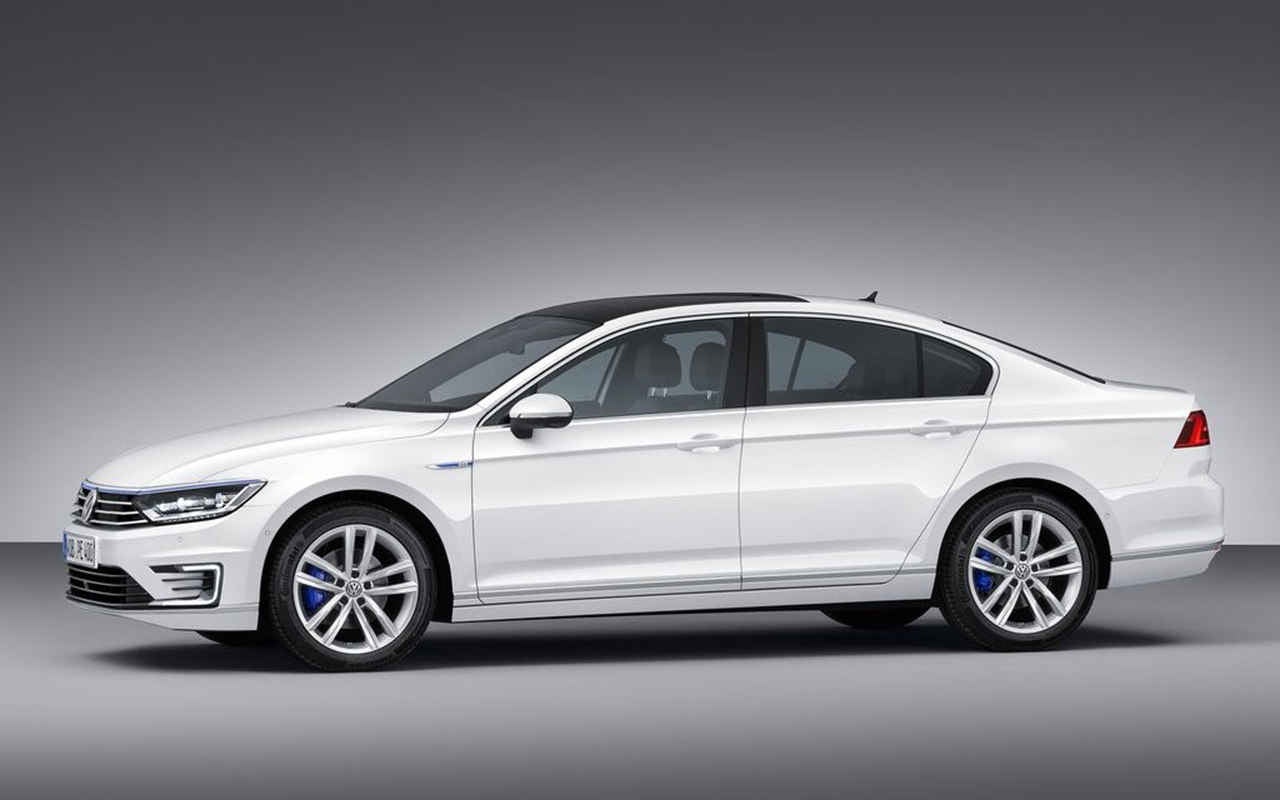
The New Year is here and so is the new Volkswagen Passat.  Each year the engineers at Volkswagen find new and innovative ways to improve its top-selling vehicle.  So as 2017 made way for 2018, let’s take a closer look at what changes were made in the new Passat. more The 2018 VW Passat will maintain the look and feel of its current design that debuted in 2012.  With best-in-class leg room and a design that allows for the functionality, comfort, and performance that Volkswagen is known for, no drastic changes from the most recent 2016 facelift will be made this year. From the performance aspect, you’ll be able to choose between an upgraded base engine that is now 2.0 liter, up from the 1.8 liter, four-cylinder, TSI® engine and Volkswagen’s V6.  The upgraded four-cylinder provides enhanced horsepower and improved fuel efficiency.  The V6 offers 280hp and 258 lb.-ft. of torque with 28 mpg on the highway. This year you’ll also have the option to include Volkswagen’s Driver’s Assistance Package.  This package includes additional safety features like forward collision warning, automatic emergency braking, and blind spot monitoring. 2018 will also welcome the new performance-inspired trim level for the Passat, the GT.  The GT will feature a 3.6 liter V6.  It will also have other performance-focused features and unique styling, that will be debuted later this year. Another new feature this available across VW’s entire line in 2018 is the People First Warranty.  This is a bumper-to-bumper warranty that is transferable to new owners of the vehicle for six years or 72,000 miles. Whether you are considering the Passat for the first time or looking to upgrade to the latest model, the experts at Southwest Volkswagen are ready to answer questions and get you on the road.

1

Lafayette Volkswagens: How Far Can You Go in a VW Atlas?

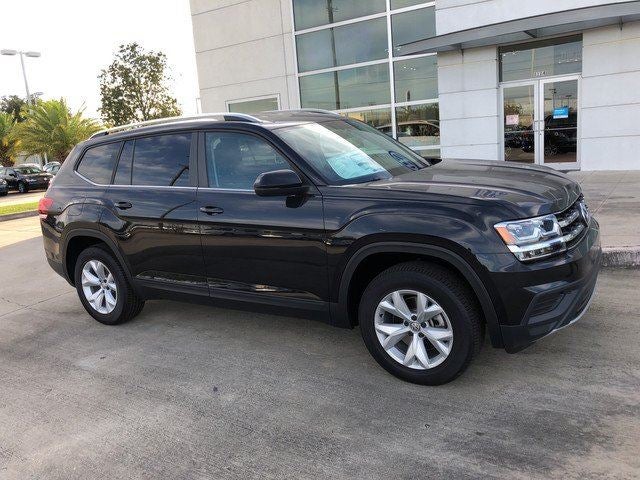
An atlas is a book of maps.  What better way to begin an adventure than with a book of maps that can show you where to go and what to expect?  But it won’t be much of an adventure if you can’t adequately and comfortably fit all that you need, and you spend more time filling up with gas then you do on the road.  This is where Volkswagen’s aptly named Atlas comes in.  Whether you are carpooling or hitting the road for a trip, the Atlas offers plenty of room and new performance technology that keeps you on the road and away from the gas pump. more The new Volkswagen Atlas features a 2.0 liter 16V turbocharged/intercooled engine, providing 235 horsepower and 258 pound-feet of torque.  This engine provides the power and confidence you need without compromising the comfort and fuel economy you want. So how far can you drive an Atlas in one fell swoop?  The Atlas gets an estimated 26 mpg on the highway.  Combine this performance with an 18.6 gallon fuel tank, and you can get close to 500 miles in between fuel stops.  Of course there a lot of variables when it comes to range like driving habits, and weather and road conditions. This new option from Volkswagen offers the same German engineering and safety that you’ve come to expect; now you also get the cargo and seating space along with power and efficiency to take your next road trip to the next level.  The experts at Southwest Volkswagen are ready to answer your questions and set up your test drive.

Volkswagen Service in Lafayette: How Often Does Your Oil Need to be Changed?

Volkswagen Service in Lafayette: How Often Does Your Oil Need to be Changed?

This is the time of the year when many of us hit the road to visit family and friends.  While packing our luggage for different climates and planning meals and activities tends to take precedence, it’s also very important to make sure that your car is ready for the journey. more Your quick checklist should include: checking the air in your tires, wiper fluid, and ensuring your battery is charged.  However, arguably the most important service you can perform on your car is changing the oil and filter.  But how often should you do this?  The rule of thumb for the longest time has been every 3,000 miles; but newer technology and different driving habits can mean different intervals for service.  So exactly how often you should change the oil and filter in your Volkswagen can vary. Depending on the age of your Volkswagen, service intervals are set at every 10,000 miles.  Be sure to consult your owner’s manual to confirm the intended service schedule for your vehicle.  Now depending on how you use your vehicle may require some additional details.  Frequent city driving and/or towing may require more frequent oil changes; while highway driving can mean fewer. Whether you are do for an oil change or not, pay attention to some of these signs that may tell you your car is due for service.  Is your engine making a louder than normal sound?  While idling is your engine making a loud knocking sound?  These common observations can also be signs that the oil in your car is wearing down and becoming harder to move through the engine. The great thing about getting your oil changed at a Volkswagen dealer is that you get expert technicians working on your vehicle.  Meaning your car goes through multiple checks for not on the oil and filter, but every key component of your vehicle to ensure its performance.  So before you hit the road during these holidays, or if you’re about due for an oil change, schedule an appointment with expert techs at Southwest Volkswagen in Lafayette.